Dr. Kumar VishalOrthopaedic Surgeon
Accident trauma · ankle & foot

Complex Ankle & Foot Fracture After an Accident

A high-energy ankle or heel fracture — from a road accident or a fall from height — is as much about the fragile skin as the bone, which is why it is often treated in stages. Dr. Kumar Vishal treats complex ankle and foot fractures at Medifirst Hospital, timing surgery so the joint is rebuilt and the skin heals safely.

Medically reviewed by Dr. Kumar Vishal
MBBS · D.Ortho · DNB (Orth) · 13+ yrs · 800+ surgeries
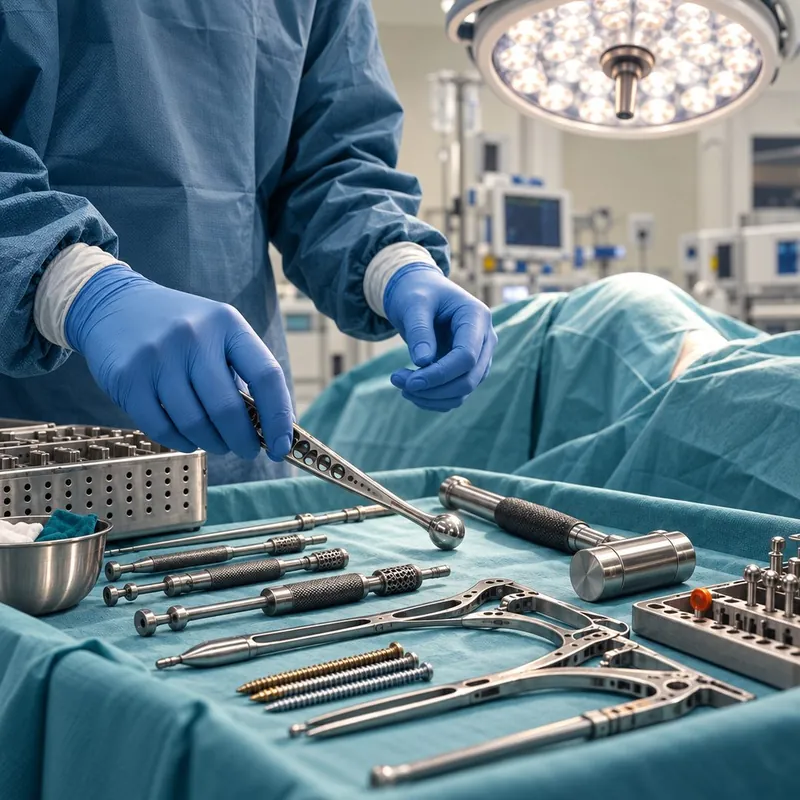
Dr. Kumar Vishal performing complex ankle fracture surgery at Medifirst Hospital, Ranchi Pride of Jharkhand 2025 Dr. Kumar VishalAnkle, foot & trauma surgery · Medifirst
Track record

Thirteen years of trauma, joint and sports surgery — and patients who walk out of it.

Read patient stories →
13+
Years in orthopaedics
Trauma, joints & sports
800+
Surgeries performed
Fracture & joint replacement
10,000+
Patients treated
Across Ranchi & Jharkhand
Fellowship
Joint replacement & arthroscopy
MBBS · D.Ortho · DNB (Orth)
Quick answer

A complex ankle or foot fracture after an accident is a high-energy break of the ankle joint (pilon), the heel bone (calcaneus), or the midfoot — often comminuted, into the joint, or with badly swollen or broken skin. Because the skin over the ankle and heel is thin, surgery is often staged: an external fixator first to hold length and let the swelling settle, then precise fixation. Rebuilding the joint surface and protecting the skin is what saves the foot from lasting stiffness and arthritis.

Staged surgery · oftenProtected first · skinRebuilt precisely · jointDelayed, guided · weight
The basics

What makes an ankle or foot fracture “complex”

The ankle and foot carry your whole body weight on a set of small bones and joints with very thin skin over them. A high-energy accident can drive the shin bone down into the ankle (a pilon fracture), shatter the heel bone (calcaneus) in a fall from height, or break the midfoot — often into many pieces and into the joint, and sometimes through the skin.

What makes these complex is the combination of a joint fracture and fragile, swollen skin. Operating on a badly swollen ankle too early risks the skin not healing — a serious complication. So these are often treated in stages, and getting the joint surface right is what decides whether the foot stays comfortable or turns stiff and arthritic. This is trauma-surgeon work, not a clinic’s.

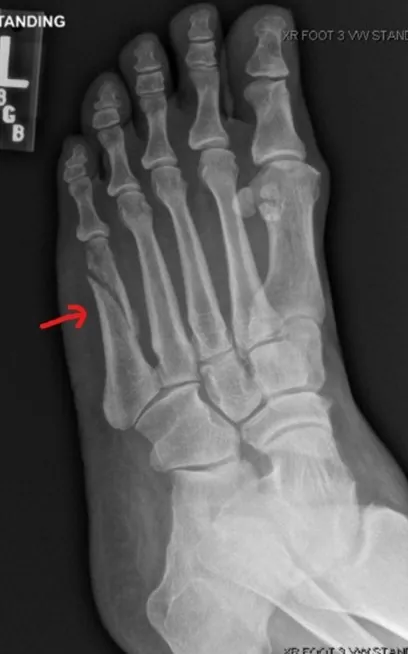
X-ray of a complex, comminuted ankle fracture before staged fixation
The joint and the fragile skin are both protected, in stages
After the accident

Signs it is serious

An ankle or foot that cannot bear weight after an accident needs imaging and the right timing, not a tight bandage. Reach care if you see these.

Open wound, cold foot, or a tight, agonising foot? Emergency first.

If the ankle or foot injury comes with an open wound with bleeding, a cold or pale foot with no pulse, or a very tight and intensely painful foot or calf, that is a limb-threatening emergency and must be treated at once. At Medifirst these are handled immediately by the emergency and orthopaedic team. Reach an emergency department now — do not wait or rely on WhatsApp for an emergency.

108Ambulance112Emergency102Medical92418 91436MFH ambulance 24×7
How it is treated

Why surgery is often staged

Without surgery
  • A stable, undisplaced fracture — a cast or boot and no weight
  • Elevation and splinting to bring the swelling down
  • Pain control while the skin is assessed
  • A CT scan to map the joint and plan fixation
  • Not a substitute for surgery in a displaced joint fracture
When surgery is needed
  • A pilon or comminuted ankle fracture into the joint — plates & screws
  • A displaced heel-bone (calcaneus) fracture — reconstruction
  • A badly swollen injury — staged: external fixator first, then fixation
  • An open fracture — emergency washout and stabilisation
  • A midfoot (Lisfranc) injury — fixation to restore the arch
With a badly swollen ankle or heel, operating immediately can cost the skin — so the fracture is first held with an external fixator or splint, and definitive surgery is done once the swelling settles. Dr. Vishal shows you the X-ray and CT and explains the staged plan. Rushing this is exactly how these injuries go wrong.

Not sure if you even need surgery? Send your X-ray on WhatsApp for an honest opinion.Just attach a photo of your X-ray in the chat.

The approach

How Dr. Vishal treats a complex ankle or foot fracture

The foot is elevated and splinted and the skin and pulse checked while a CT scan maps the joint. Where the swelling is severe or the fracture is open, an external fixator holds the length and alignment first, letting the skin recover — the definitive surgery follows a week or two later, safely.

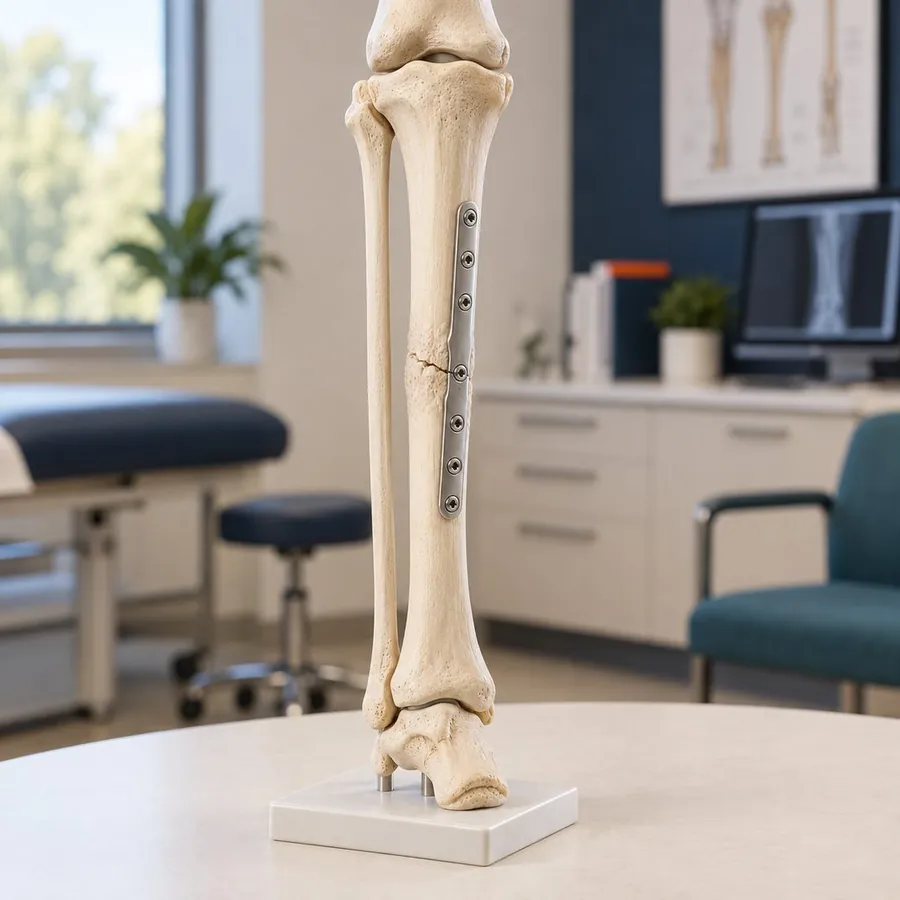
The joint surface is then rebuilt precisely with plates and screws so the ankle or foot can move and, in time, take weight. Weight-bearing is delayed and reintroduced gradually, because these joints take load with every step and must heal solidly first. The plan protects both the joint and the skin.

X-ray + CT · assessExternal fixator · earlyPrecise fixation · laterGradual, guided · weight
fig · foot X-rayX-ray of a foot fracture after an accidentFracture
No jargon, no pressure

See the fracture and the joint on your X-ray and CT

Dr. Vishal walks you through your own X-ray or MRI, shows you exactly what's going on, and lays out every option — surgery and non-surgery — so the decision stays yours.

  • You see your own scan — pointed out in plain language, not medical jargon.
  • Every option on the table — surgery, physiotherapy, medication or simply waiting and watching.
  • You make the final call — no pressure, and never a rushed decision.
What to expect

Recovery after a complex ankle or foot fracture

These joints carry your weight, so they are protected carefully and weight is added slowly. Every case differs.

1
Week 0–2
Protect & settle

The foot is held (fixator, splint or after surgery) and elevated; the priority is letting the skin and swelling settle.

2
Week 2–6
Motion, no weight

Gentle movement begins where safe, but weight is kept off the foot to protect the healing joint.

3
Week 6–12
Weight builds

Weight-bearing is reintroduced gradually on Dr. Vishal’s schedule, in a boot, guided by physiotherapy.

4
~3–6 months
Back to walking

Most patients return to comfortable walking on the level; a badly damaged joint or heel takes longer and is guided individually.

Trusted across Jharkhand

Why families across Ranchi choose Dr. Kumar Vishal for bones, joints & fractures

Medically reviewed by Dr. Kumar Vishal
MBBS · D.Ortho · DNB (Orthopaedics)
Last updated
September 2026

With a shattered ankle or heel, timing the surgery around the skin and rebuilding the joint precisely is everything. Dr. Kumar Vishal is an orthopaedic and trauma surgeon in Ranchi, Jharkhand, practising at Medifirst Hospital, where he is Director. Choosing an orthopaedic surgeon is one of the most important health decisions a family makes — and for thousands across Jharkhand, that choice has been Dr. Vishal.

With more than 13 years of experience and 800+ surgeries performed, he is widely regarded as one of the best orthopaedic surgeons in Ranchi for knee & hip replacement, arthroscopy, sports injuries, arthritis and complex trauma & fracture care. He is fellowship-trained in joint replacement and arthroscopy and has treated over 10,000 patients — including fractures other hospitals had turned away.

What sets him apart is a philosophy of honest, unhurried care — every patient examined personally, given a clear explanation, and told plainly whether surgery is truly necessary, or whether physiotherapy, medication or rest would serve them better.

Knee replacementHip replacementArthroscopySports injuryFracture & traumaArthritis care
Verified Google reviews

In their own words

240+ reviews posted publicly on Google — names shown as they appear there. We never invent testimonials.

Leg fracture · rod fixation
MManoj DasGoogle review · Jun 2025★★★★★

"I had a fracture in my leg and was operated on by Vishal sir. A rod was applied, and I'm absolutely fine now — allowed to walk again. Thank you so much, sir. Best orthopaedic surgeon in Ranchi, Jharkhand."

Read on Google
Leg fracture · second opinion
AArmaan MalikGoogle review · May 2025★★★★★

"My brother had a leg fracture. Another hospital kept him in ICU for a week and was running up unnecessary bills. Dr. Vishal read the reports, explained there was no abdomen or head injury, operated on the fracture — and 10 days later my brother is comfortable. His advice is genuine."

Read on Google
Open thigh-bone fracture · limb saved
NNehal KhanGoogle review · Jul 2025★★★★★

"My thigh bone fractured and the bone had come out. Doctors in Daltonganj said it couldn't be saved. Dr. Vishal treated me at Medifirst — 3–4 surgeries — and today, 15 days after stitch removal, I am walking on my own leg. He is like a god to me."

Read on Google
Frequently asked

Complex ankle & foot fracture — your questions

Why is my surgery being delayed after an ankle fracture?
Because the skin over the ankle and heel is thin, and operating on a badly swollen foot risks the skin not healing — a serious complication. So the fracture is first held with an external fixator or splint to bring the swelling down, and the definitive surgery is done a week or two later, safely. The delay protects the foot.
Why can’t I put weight on the foot for so long?
Because the ankle and foot take your whole weight with every step, and loading a healing joint too early can push the pieces out of place. Movement is encouraged where safe, but weight is reintroduced only when the bone is strong enough — on a schedule Dr. Vishal sets from your healing.
Will my ankle or foot become stiff or arthritic?
It can if the joint surface heals uneven — which is why precise reconstruction and the right timing matter so much. A well-rebuilt joint gives the best chance of a comfortable foot. Some very high-energy injuries do leave some stiffness; Dr. Vishal is honest about what to expect for your specific fracture.
I fell from a height and my heel is broken — is that serious?
Calcaneus (heel-bone) fractures from a fall are among the more difficult foot injuries, because the heel is a weight-bearing joint with thin skin. They often need CT planning and careful timing, and sometimes surgery. Getting them assessed properly matters — a badly healed heel is hard to walk on.
Can it be treated at a local clinic or with a bandage?
A complex, displaced, or open ankle/foot fracture should not be — the wrong timing can cost the skin, and a joint that heals uneven means a stiff, painful foot. It needs a CT scan, a trauma surgeon and often a staged plan. Reach a trauma hospital without delay.
Is it covered by Ayushman Bharat or insurance — and what will it cost?
Ayushman Bharat, cashless insurance and other schemes are accepted where applicable. Cost depends on the surgery and implants needed; the team gives a clear written estimate once the fracture is assessed. In an emergency, care starts first — call or message on WhatsApp.

Still have questions? Talk to Dr. Vishal's team — bring your reports, leave with a plan.

Related treatments

Related trauma care

This page is general educational information, not a substitute for a personal consultation. Individual results and recovery vary; a treatment plan is decided only after examination.

Get in touch

End the pain.
Get back to life.

Get a straight answer on your pain — and a clear plan to fix it. Share your reports or message on WhatsApp, and Dr. Vishal's team helps you book the right time and clinic, often the same day.

Fast reply on WhatsApp 13+ yrs · 800+ surgeries Bariatu, Ranchi · +2 clinics 240+ Google reviews
Medifirst HospitalSubPlot 2703/1 & 2703/2, Booty Road, near Suryodaya Apartment, Bariatu, Ranchi 834012
Phone / WhatsApp+91 92967 93921
Clinic hoursMon–Sat · 9:00 AM – 5:30 PM
WhatsApp Call